
Air Cargo Logistics
How Global Supply Chains Move Goods by Air
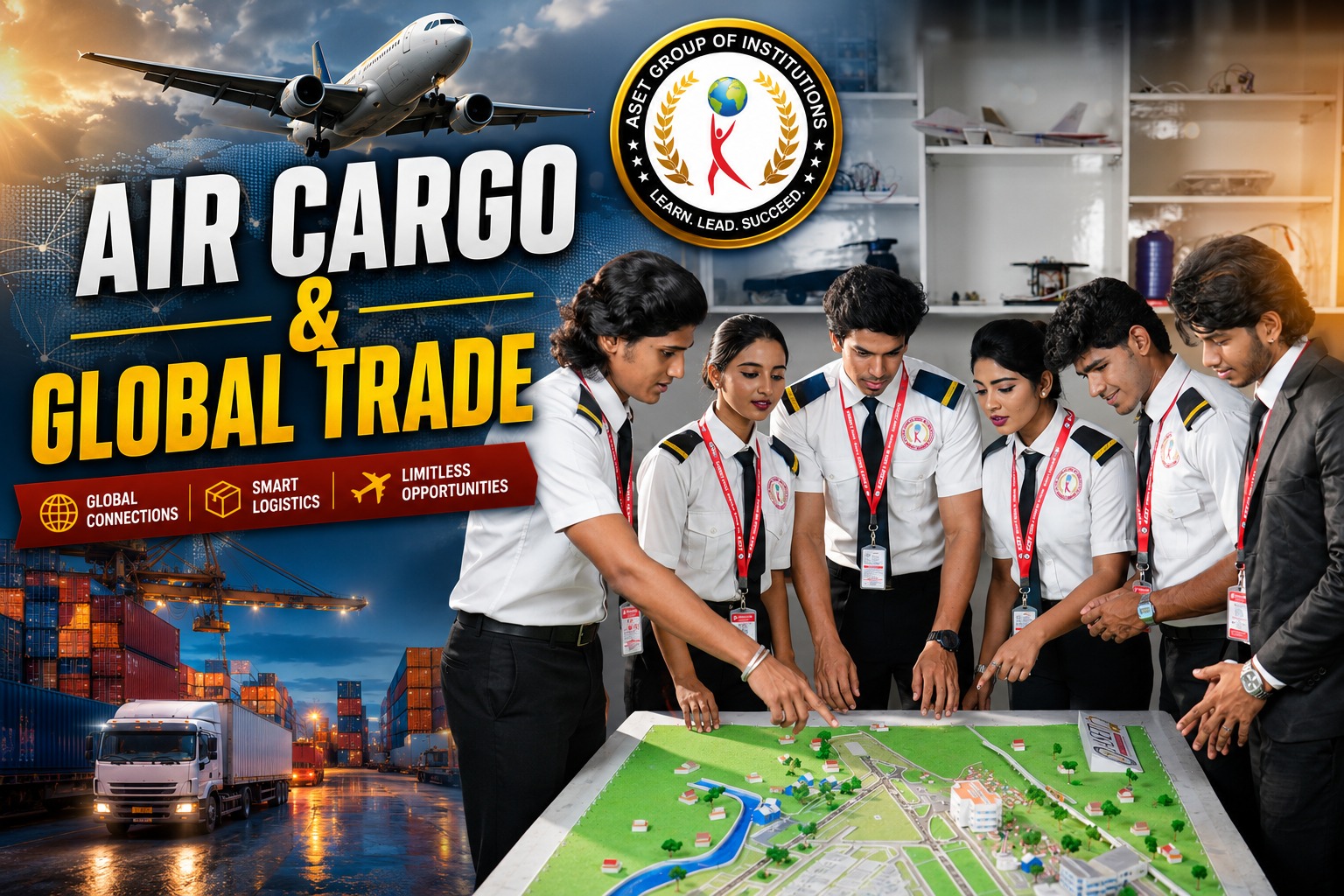
Air cargo logistics is the fast-moving backbone of modern global supply chains. It helps businesses move high-value, urgent, and time-sensitive goods across countries and continents quickly, reliably, and securely.
Introduction
When people think of global trade, they often picture ships, trucks, and warehouses. But air cargo is the mode that keeps many critical supply chains moving when speed matters most, especially for electronics, pharmaceuticals, perishables, spare parts, and e-commerce shipments.
Air cargo is not just about putting goods on a plane. It is a coordinated chain involving shippers, freight forwarders, regulated agents, ground handlers, airlines, airports, customs authorities, and consignee networks working together under strict time and security requirements.
Why Air Cargo Matters
Air cargo plays a major role in global trade value because it carries a large share of high-value goods even though it represents a small share of total volume. This makes it strategically important for industries that cannot afford delays, stockouts, or damaged delivery schedules.
It also improves supply chain resilience. When ports are congested, roads are disrupted, or demand changes suddenly, air cargo can reroute faster than most other transport modes and keep critical goods moving.
How the Process Starts
The process begins at the shipper’s location, where goods are prepared for transport. The cargo must be packed correctly, labeled properly, and documented with the required commercial and transport paperwork before it enters the air cargo chain.
A freight forwarder or logistics provider usually manages this stage. Their job is to plan the shipment, choose the best routing, book space, and ensure the goods meet airline and customs requirements.
Booking and Documentation
Air cargo depends heavily on documentation because international shipments move through regulated systems. The airway bill, customs papers, product details, and security declarations all help verify what is being shipped and where it is going.
This paperwork is essential for both compliance and speed. If documents are incomplete or inaccurate, the cargo can be delayed, held for inspection, or rejected from the network.
Handling at Origin
Once cargo is ready, it moves to a cargo terminal, warehouse, or airport handling facility. Here it is screened, weighed, sorted, scanned, and prepared for uplift onto the aircraft.
Ground handlers and terminal teams play a crucial role at this stage. They coordinate loading instructions, security checks, ULD preparation, and flight-ready staging so the shipment can move without delay.
Airport and Airline Coordination
Air cargo works because airlines and airports coordinate tightly on timing, capacity, and aircraft type. Not all cargo moves on dedicated freighters; a significant amount also travels in the belly hold of passenger aircraft.
This means cargo planning must align with passenger schedules, aircraft availability, and route capacity. Airlines must balance commercial priorities with operational efficiency so goods can reach the right destination on time.
In Transit
During flight, the cargo moves within a controlled and secure transport environment. Speed is the biggest advantage here because air transport can move goods across long distances in hours or days rather than weeks.
This is especially valuable for products with short shelf life or urgent production requirements. For example, medical supplies, fresh food, semiconductor parts, and essential spares often rely on air freight when delays would be costly.
Arrival and Destination Handling
When the aircraft lands, the cargo is unloaded and transferred to the destination terminal or warehouse. At this stage, airport cargo teams, customs officers, and local logistics partners take over to complete import procedures and onward movement.
Depending on the shipment, the cargo may be cleared for direct delivery, transferred to a distribution center, or moved by road feeder service for last-mile delivery. This handoff is important because air transport is often only one part of a larger multimodal chain.
Industries That Rely on Air Cargo
Several industries depend heavily on air cargo because their products are time-sensitive, high-value, or business-critical. These include pharmaceuticals, electronics, fashion, automotive spares, luxury goods, and e-commerce.
Air cargo is also important for global value chains, where products are assembled from components made in different countries. Fast transport helps companies keep inventory low and production continuous.
Challenges in Air Cargo Logistics
Despite its speed, air cargo logistics is complex and expensive. Capacity can be limited, airport handling can create bottlenecks, and regulatory compliance adds extra layers of work.
The industry also faces pressure from digital transformation, sustainability expectations, cargo security, and the need for better visibility across the chain. As a result, modern air cargo management increasingly depends on technology, data, and process efficiency.
Future of Air Cargo
The future of air cargo is being shaped by e-commerce growth, digitalization, secure supply chain systems, and greater demand for flexibility. Businesses now expect faster delivery and better shipment visibility, which means air cargo providers must become more agile and connected.
This creates career opportunities in cargo operations, freight forwarding, airport cargo handling, documentation, supply chain management, and airline logistics planning. For students and professionals in logistics, shipping, and aviation, this is a high-value area with strong global relevance.
Conclusion
Air cargo logistics is the air-based artery of global supply chains. It moves critical goods quickly, supports international trade, and helps businesses stay resilient when markets are disrupted.
As commerce becomes more global and time-sensitive, the importance of air cargo will only grow. For anyone studying logistics, shipping, or aviation, understanding this system is essential for building a future-ready career.